



















No doubt by the time this blog article is published, it will already be outdated and AI would have advanced. As it is, Midjourney is old news, Photoshop Beta probably won’t be Beta much longer, and likely the first fully AI written and produced film would have been released. Heck, at the rate of these developments we might already have a cure for cancer or be living through the machine apocalypse. In light of time pressures, I’ll get right to it.
It’s safe to say we at SHC have well and truly jumped onto the AI bandwagon, using AI in many aspects of our daily work process. There are many questions, fears and unknowns around the use of AI and where it’s all leading, but no-one seems to want to slow down to first iron out the nitty gritty, those niggly questions like; are the machines going to kill us all? And I can understand why; at the pace at which this technology is moving, it feels as though there isn’t the luxury of stopping to think about it all, because if you’re not keeping up, you are being left behind. You might not think you’ve done it yet, but as pointed out by Liesl Robertson in a far better researched and probably more insightful article than this one (in the most recent issue of Fairlady) many of our best loved apps use AI and have been for years. Netflix, Spotify, Google Maps, the list goes on… What is the insta “algorithm” other than another form of AI? Point is, if you use the internet in any way shape or form, you’ve been using AI in your day-to-day for quite some time.
When it comes to creative industries, there has been much trepidation around what AI will mean for creators. When you have clients thinking they can write social content using ChatGPT, where does that leave copywriters? It hasn’t taken the creatives very long to realise that we are a long way from AI being able to write anything truly brilliant, but for stock photographers, retouchers, CV writers, lawyers… The advent of AI has been a game changer all around, and it’s not going anywhere. As much trepidation as there is around AI, there is tenfold awe and wonder. Things that once took us hours suddenly take seconds and sharing a creative vision with the world has become as easy as a typed-out prompt. As they say, if you can’t beat ‘em, join ‘em, and here are a few ways in which we have:
How we are using AI in our day-to-day:
Midjourney
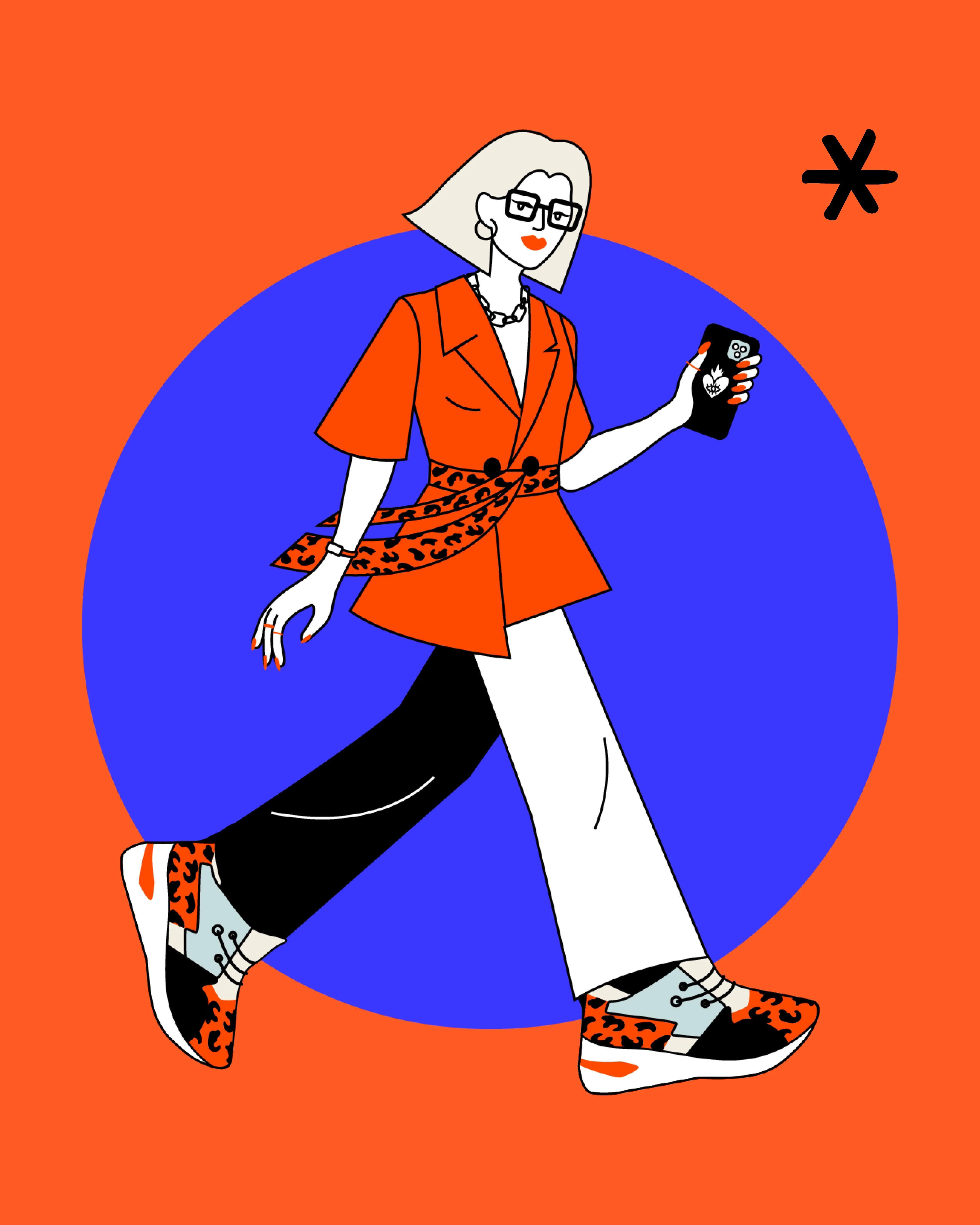
Remember the days when you would sit for hours scrolling through stock sites looking for just the right image? A candid black South African female, not an African American, someone local, someone cosmopolitan, but local. Considering the large percentage of our population this demographic makes up, it’s startling how glaringly underrepresented it is in stock libraries. So much so that I am fairly sure we have all used that image (the one you’ve seen in the ads of at least three separate competing banks) somewhere along the lines in our advertising career. That struggle is over. With tools like Midjourney, which have access to more stock imagery and photography then you will likely look at in your lifetime, this is no longer an issue. AI has the ability to instantly create just about any image that you might be able to imagine. Female business owner in Cape Town? No problem; an authentic and believable image is produced right before your eyes. A hamburger in the style of Piet Mondrian? You bet! Does it have its shortcomings? Of course. Hands are a particular challenge, AI clearly does not understand the concept melted butter on toast (or any food for that matter) and spelling mistakes can produce the stuff of nightmares. Considering that this tool has only been around for a year, however, it’s impressive. Powerful? Yes! Ethical? That remains to be decided.
Photoshop Beta
Imagine the level of “mindblown” when I experienced the power of Photoshop’s generative fill tool. This, picturing that as a newbie designer fresh off the varsity press I had deep-etched my first image–painstakingly–with the eraser tool, pixel by pixel. It took me about 3 hours until a more senior designer took pity on me and introduced me to the wonders of the pen tool and smudge function, which only took me 1 hour. Now imagine a tool that removes backgrounds with near perfect accuracy in an instant or–even better–adds in backgrounds, scenery, body parts that were not there before. Gone are the days of weeping when a client asked you to zoom out of a close-up image they had chosen, knowing that nothing lay beyond the borders of the artboard but hours of suffering.
ChatGpt
Are we going to let OpenAi write our next big campaign line? Not if we want something with a modicum of authenticity, we aren’t. And as for asking ChatGPT to craft TVC scripts; a strategist at an agency I was recently assisting fancied he’d do just that. What we ended up with was a script that involved foreign tourists in South African becoming so stressed out and overcome by the amount of wildlife present that they drank copious amounts of wine and passed out in a vineyard. The client didn’t buy it. That being said, ChatGPT has proven to be a useful in ways other than creative origination. Identifying potential symbolism to use in a logo, exploring new Instagram trends, or even something as simple as best practice dimensions for an email signature. AI is a brilliant research tool and speeds up the creative process considerably, when used as such. It’s as simple as asking the right questions.
He looks like a Klaus doesn’t he? I wonder why AI seems to think Germans make for risk-prone tourists…
AI is a brilliant research tool and a heavy lifter for the tedious, menial in-between jobs that used to take us literal days, eating away at creative budgets (not to mention souls); now our hands are free to get to the good stuff, quicker and more efficiently. Is AI coming for our jobs? For some of us, maybe. But where creative is concerned, you’re safe (for now). For the creatives actively replacing hard work with AI, it’s immediately evident, and the creative is bad. Are the machines good enough at imitating the quirks of human writing? Sorry AI, but not yet, in my opinion. If AI had written it, this article might have been a white-washed or over-theatrical shadow of what it is now; the sanitized clone of an otherwise probably-too-sassy-for-her-own-good creative’s work. Which begs the parting question; did AI write this article? I guess you’ll never really know.
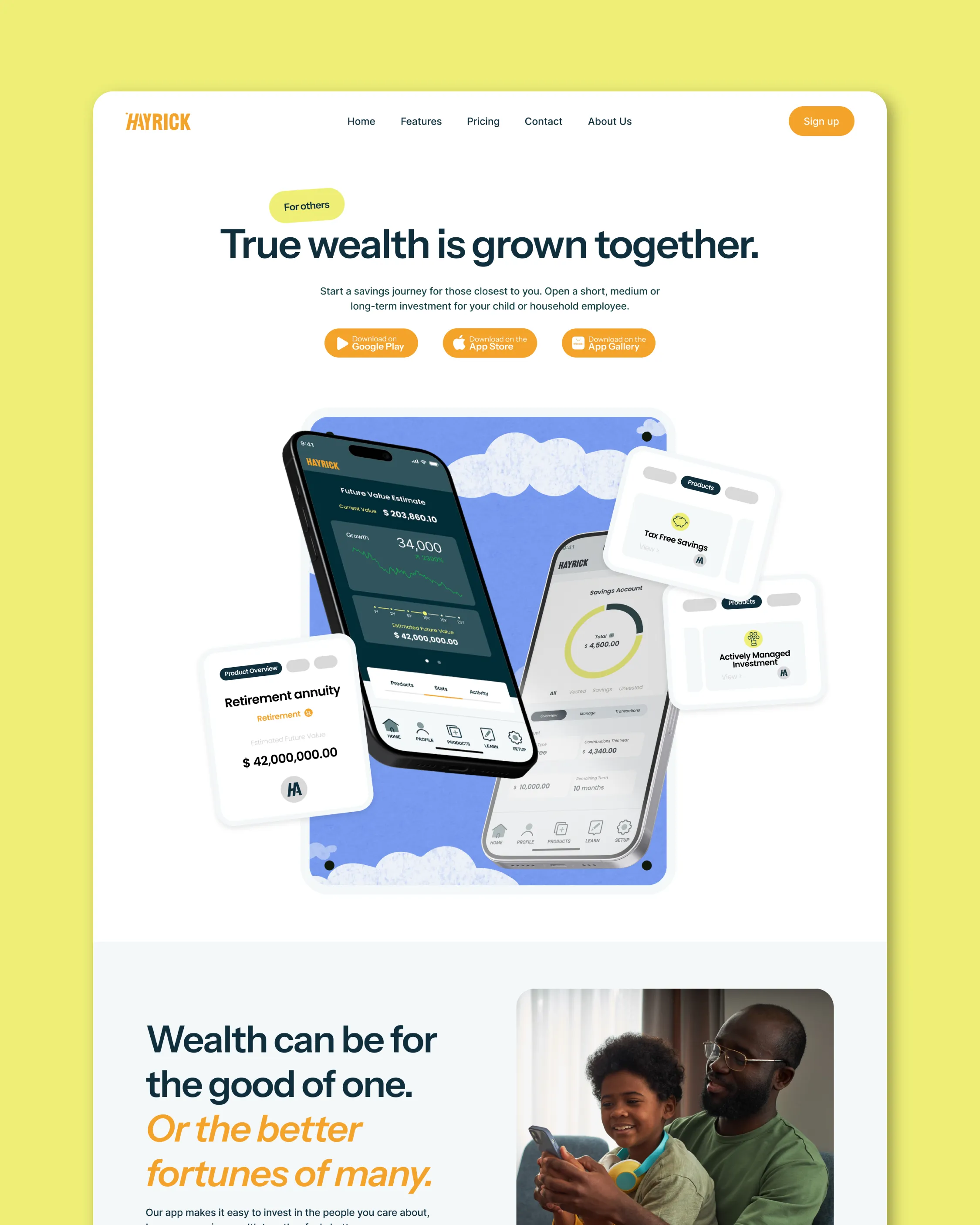
On a parting note, here is another fantastic AI tool we are using to replace the slog of website creation by doing it at the click of a button. With Strikingly the hard coding and development is done in an instant, leaving the fun of making it look good to us.
https://www.strikingly.com/a/qzcUoz